
Investment Guides
Rental Income or Capital Growth? Two Ways to Invest in Dubai Property
3 min read
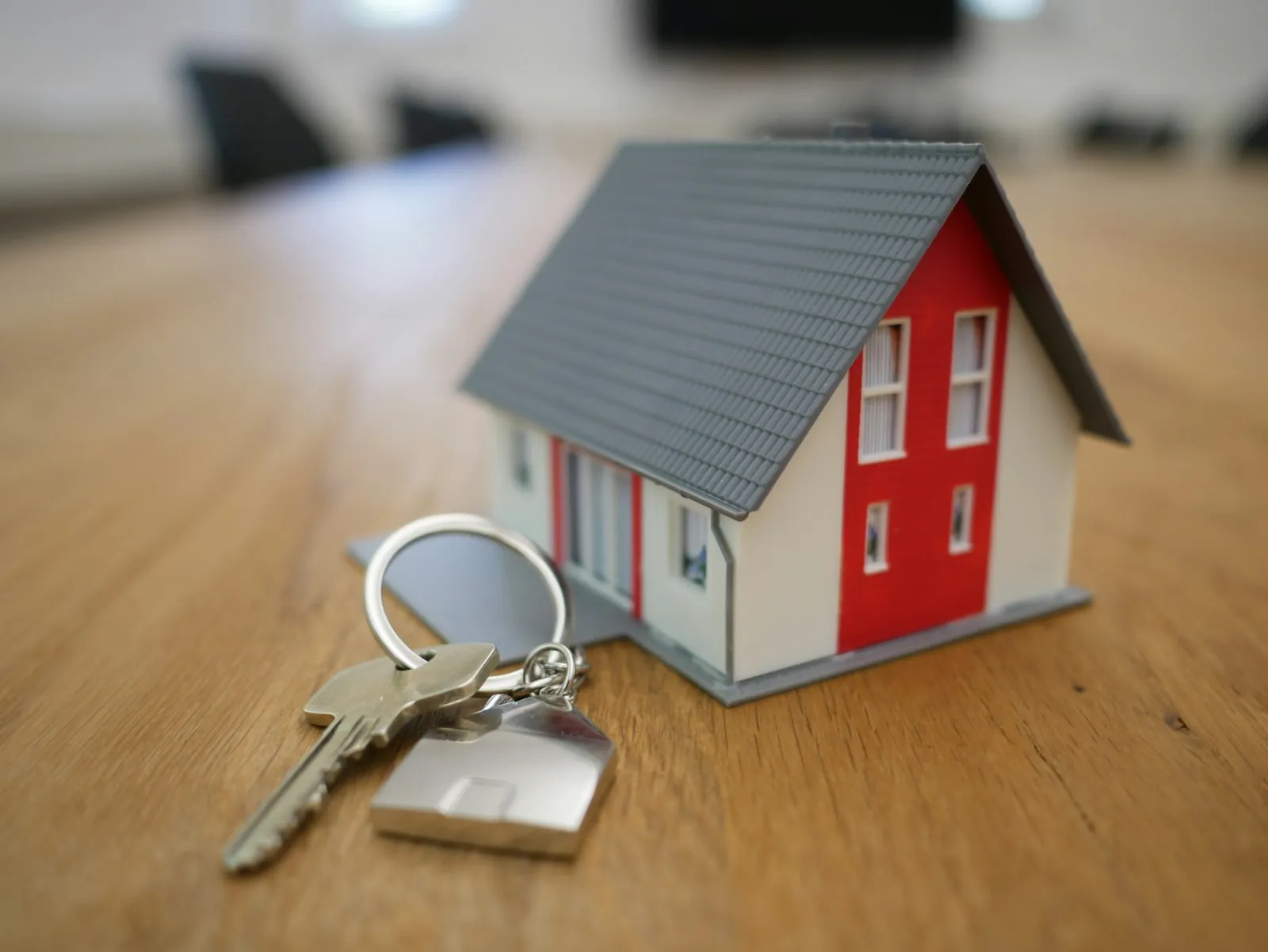
Every property investment earns money in one or both of two ways: the rent it produces while you own it, and the change in its value between the day you buy and the day you sell. Understanding which of the two you are really relying on shapes almost every decision that follows — where to buy, what to buy, how to finance it and how long to hold it.
Rental income: return you can measure every year
An income-focused investor looks first at yield. Gross yield is the annual rent divided by the purchase price. Net yield subtracts the costs of owning the property — service charges, maintenance, property management, insurance and periods without a tenant — and is the figure that matters to your bank account.
As a reference point, Engel & Völkers' Dubai review (updated 9 September 2026) reports average gross yields of about 6.3% for Dubai residential property as of August 2026, and around 6.7% for apartments. Net yields are lower, and vary widely from one building to the next.
- Suits: investors who want regular cash flow, or who are financing part of the purchase and need rent to cover the instalments.
- Typical choices: ready apartments in established areas with steady tenant demand.
- Main risks: vacancy, rising service charges, and new supply nearby putting pressure on rents.
Capital appreciation: return you realise when you sell
A growth-focused investor expects the property to be worth more in future — because the area is maturing, infrastructure is arriving, or demand is outpacing supply. The gain only becomes real when the property is sold, after selling costs.
- Suits: buyers with a longer horizon and enough financial room to wait, who do not depend on the rent.
- Typical choices: off-plan units in emerging communities, or villas and townhouses where land is limited.
- Main risks: prices can stall or fall, delivery can be delayed, and a market with heavy new supply can take longer to sell into. Recent strong growth is not a promise of future growth.
Context for 2026
Dubai recorded about AED 286.4 billion of property sales across 79,229 transactions in the first half of 2026, according to Dubai Land Department data reported by Khaleej Times (14 July 2026) — still very active, though below the record pace of 2025. Market commentators also point to a large pipeline of new homes due for completion in 2026 and beyond. More supply generally means tenants and buyers have more choice, which is why area and building selection matter more than ever for both strategies.
Combining the two
Most investors want some of each. A practical approach is to decide which return you need and which you merely hope for. If you need the rent, choose the property mainly on net yield and tenant demand, and treat any growth as a bonus. If you are aiming for growth, make sure you can carry the costs comfortably for several years without relying on a sale.
Questions we ask clients
- Do you need the property to pay for itself from day one?
- How long can you hold it if the market moves sideways?
- What net yield is acceptable after all costs?
- Would a delay in handover or a vacant period create financial pressure?
This article is general information, not financial or investment advice. Returns are never guaranteed; figures are time-sensitive.
Sources
- Khaleej Times, "Dubai property sales hit Dh286b as market momentum stays strong in H1 2026", 14 July 2026, citing Dubai Land Department data — khaleejtimes.com.
- Engel & Völkers Dubai, "Dubai Housing Market 2026: Mid-Year Review & Outlook", updated 9 September 2026 — engelvoelkers.com.