
Investment Guides
How to Evaluate a Dubai Rental Investment
4 min read
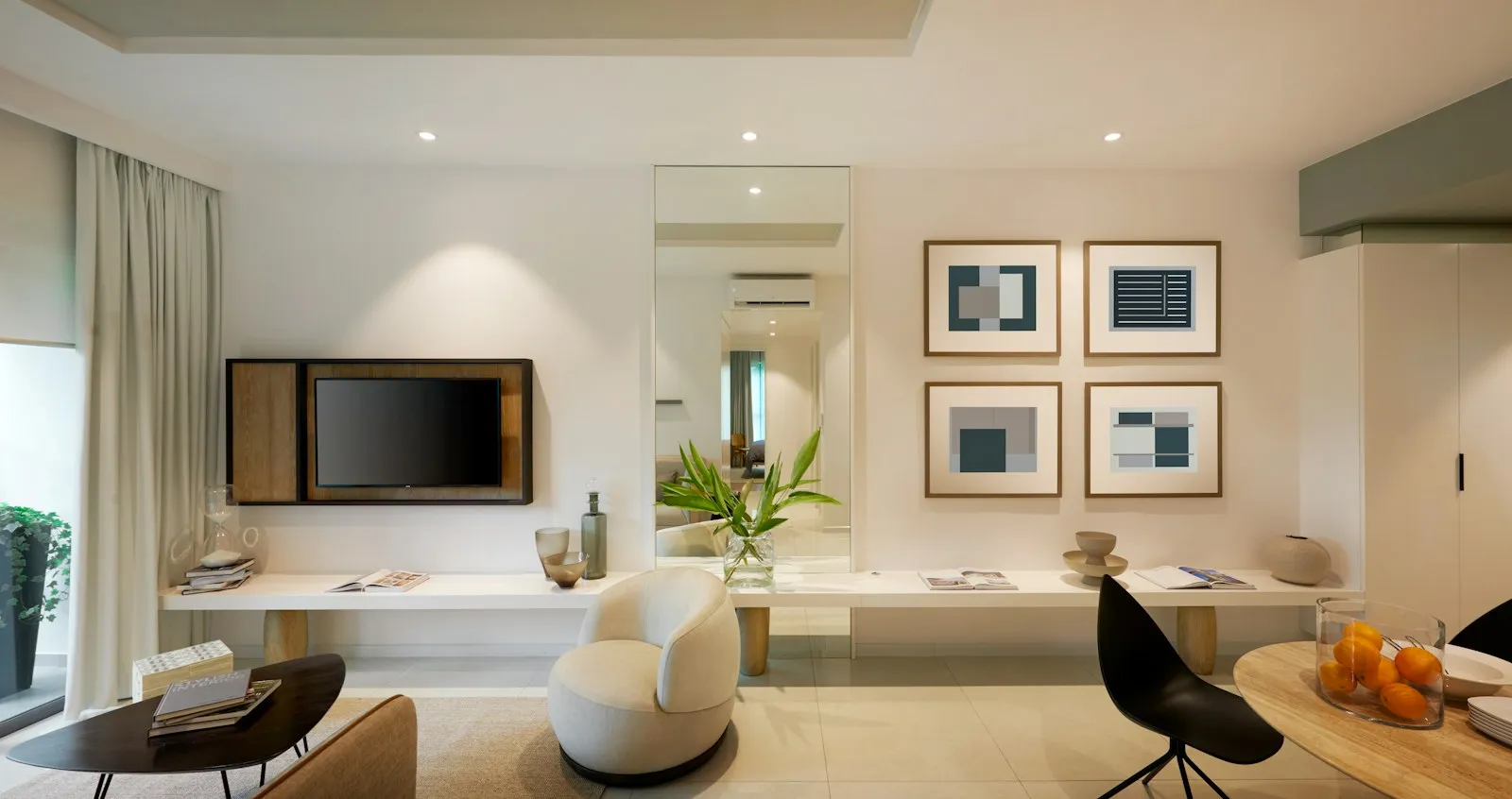
A rental property is a small business: it has income, running costs, periods without customers and a value that changes over time. Evaluating it the way a business owner would — with realistic numbers rather than headline yields — is the best protection against disappointment. Here is the approach we use with clients.
1. Start with the area, not the building
Tenant demand is driven by location: access to work, schools, metro and main roads, shops and leisure. Ask who rents in the area — young professionals, families, executives — and whether the unit you are considering is what they look for. Then look at new supply: market reports for 2026 point to a large number of homes due for completion across Dubai, and areas receiving many new units can see more competition for tenants and slower rental growth.
2. Establish a realistic rent
Use recent, registered rents for comparable units in the same building or community rather than advertised asking rents. The Dubai Land Department's rental index is indicative for new leases, and it is the reference used when landlord and tenant disagree on a renewal increase — DLD notes that permitted increases range from 0% to 20% depending on how far the current rent is below the market average. That matters if your investment case relies on raising rents quickly.
3. Calculate gross and net yield
- Gross yield = annual rent ÷ purchase price. As a reference, Engel & Völkers reported average gross yields of about 6.7% for Dubai apartments and 4.5% for villas as of August 2026.
- Net yield = (annual rent − annual costs) ÷ total acquisition cost. Costs include service charges, maintenance, property management, insurance and an allowance for vacancy. The total acquisition cost includes registration and agency fees, not just the price.
Example (illustrative only): a unit bought for AED 1,000,000 with total purchase costs of AED 70,000, rented at AED 75,000 a year, has a gross yield of 7.5%. If service charges, maintenance, management and one month's vacancy add up to AED 20,000 a year, the net yield is (75,000 − 20,000) ÷ 1,070,000 ≈ 5.1%. The difference between the two figures is why net yield is the number to plan with.
4. Understand the running costs
- Service charges are paid by the owner and vary widely between buildings; check the approved rate through RERA's Service Charge Index on the DLD/Mollak system before you buy.
- Maintenance grows with the age of the property and the number of appliances and fittings.
- Property management fees cover finding tenants, collecting rent, Ejari registration and repairs.
- Ejari registration of each tenancy costs AED 100 plus small DLD fees online; the tenant pays the 5% municipality housing fee.
5. Choose long-term or holiday letting carefully
Short-term holiday letting can produce higher gross income in some locations, but it requires a holiday-home permit from the Dubai authorities, furnishing, more intensive management and acceptance of seasonal income. Compare both on a net basis, and check whether the building allows it.
6. Stress-test the numbers
- What happens if rent is 10% lower than expected?
- What if the unit is empty for two or three months?
- What if service charges rise?
- If you have a mortgage, can you cover the instalments from other income for a period?
An investment that still works under these scenarios is one you can hold with confidence.
This article is general information, not financial advice. The example is illustrative; yields are not guaranteed and market figures change.
Sources
- Dubai Land Department, Frequently Asked Questions (rental index, rent increases, Ejari fees, housing fee, service charges) — dubailand.gov.ae.
- Engel & Völkers Dubai, "Dubai Housing Market 2026: Mid-Year Review & Outlook", updated 9 September 2026 — engelvoelkers.com.